Why Drone Scans Beat Weekly Status Calls for Finding Schedule Gaps
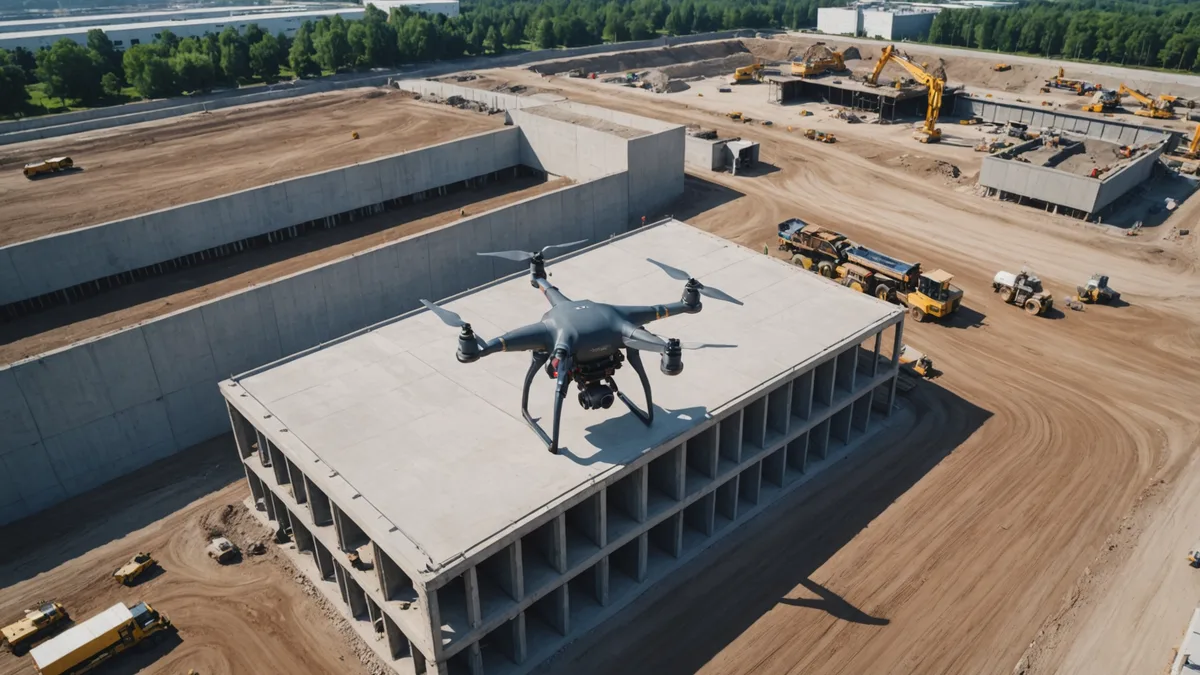
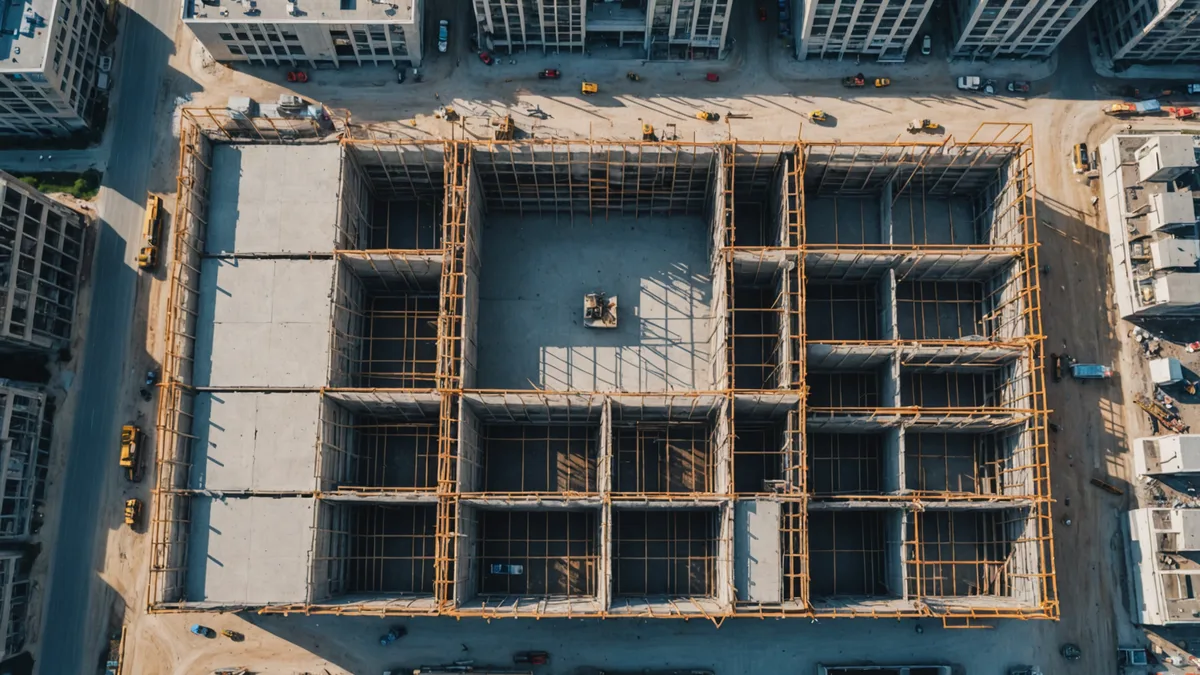
When drone imagery shows Level 5 structural steel at 61% completion but the BIM schedule says 90%, you have a real number to act on.
Practical writing on BIM deviation detection, drone-based progress monitoring, QC inspection, and the gap between what subcontractors report and what the site shows.
When drone imagery shows Level 5 structural steel at 61% completion but the BIM schedule says 90%, you have a real number to act on.
Subcontractors report what's convenient. PMs discover the truth on Friday afternoon. There's a structural reason this keeps happening.
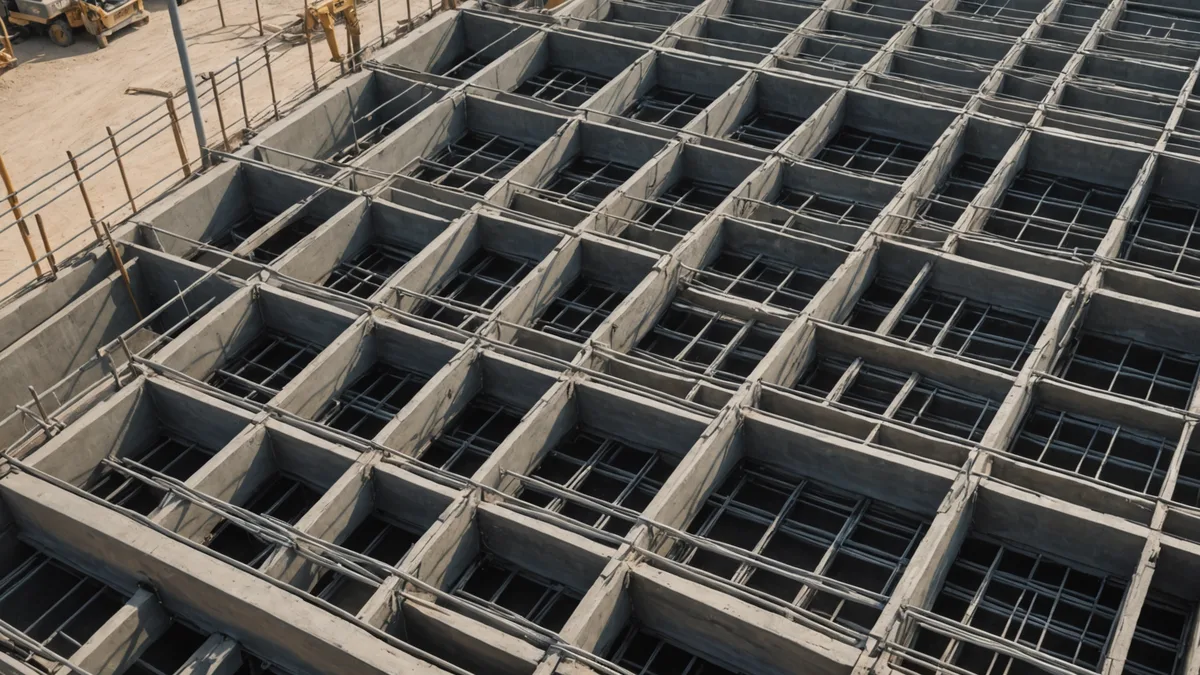
Computer vision can flag exposed rebar before a pour, honeycombing after stripping, and membrane lap gaps. Here's what the model actually looks for.
From IFC export to point cloud alignment to per-element progress scoring — the actual steps that make BIM deviation detection work on a live site.
The lag between when a delay starts and when a PM hears about it is typically 10-15 days. Here's why, and how imagery-based monitoring changes that.
You can't eliminate the meeting entirely. But the question 'where are we vs schedule?' should be answered by imagery before anyone walks in the door.
On a 30-floor commercial build, progress varies enormously by floor and trade. Here's why aggregate project health scores hide the problems.
Weekly is the baseline. Daily adds value during critical path activities. The right answer depends on your schedule buffer and trade coordination risk.
When the GC PM can show a subcontractor a drone-derived completion percentage against the CPM schedule, the accountability conversation changes from disputed opinion to a measurable number on a screen.
A deviation alert isn't just a number. It points to a BIM element, a trade, a floor, a schedule activity — and a decision that needs to be made this week.
Rebar cover violations, form tie spacing, honeycombing risk indicators, and waterproofing membrane gaps — all visible before the pour if you're scanning consistently.
We asked 12 project managers at commercial GCs one question: what do you need on your screen before the first trade call of the day? Their answers were consistent — and none of them mentioned a project health score.