BIM coordination for the firm that designed the building
You're accountable for coordination quality — even when managing MEP and structural subconsultants. Bimvyne gives you the clash data to stay ahead of every conflict.
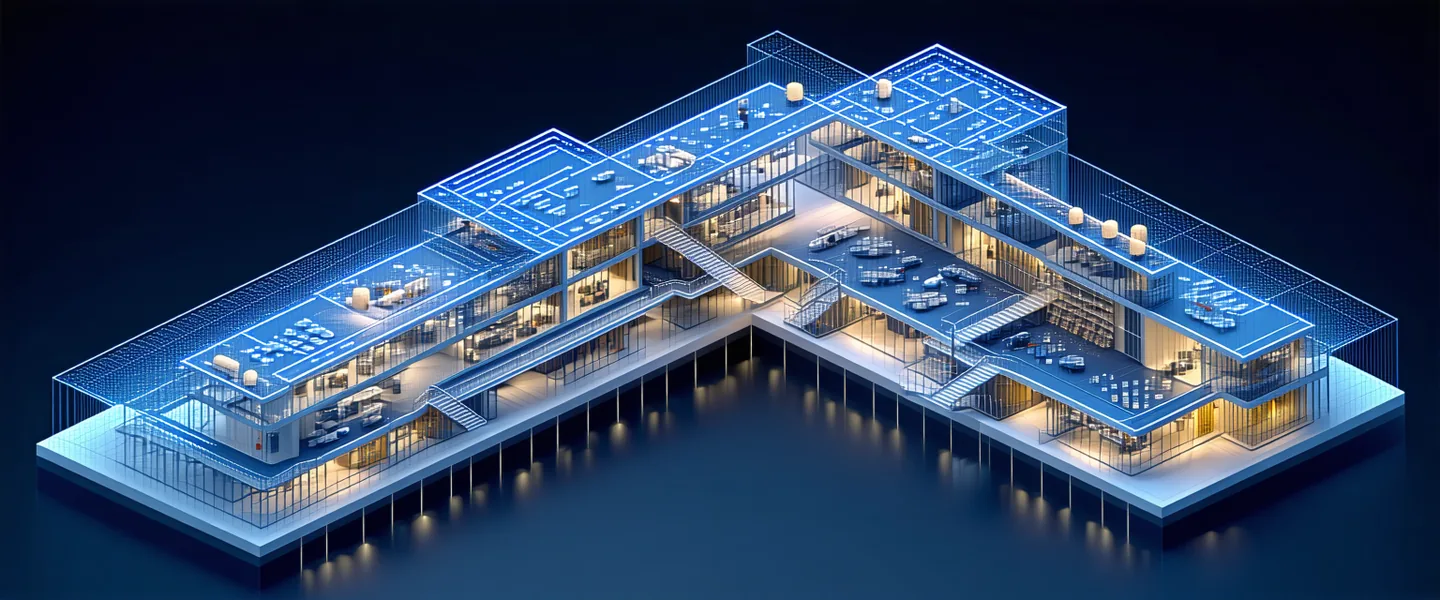
You manage the coordination. You own the RFIs.
Architecture firms are accountable for coordination quality across every discipline — but until project delivery, clashes are scattered across multiple model files from different subconsultants. The first time many firms see the federated picture is in the coordination meeting. That's too late.
Every clash discovered after design freeze costs your team time, reputation, and often real dollars in RFI management. Bimvyne closes that gap by giving you the federated view before the meeting, not during it.
How Bimvyne fits architecture firm project delivery
Designed around the actual project coordination cycle used by architecture firms managing multi-discipline teams.
Subconsultant Model Collection
Collect MEP, structural, and civil models from subconsultants in your preferred format (IFC, RVT, NWD). Upload the federated model to Bimvyne once per week or on demand.
Pre-Meeting Clash Analysis
Bimvyne analyzes the federated model overnight. By morning, your project team has a clash matrix sorted by severity, discipline, and LOD — ready for the coordination meeting.
GC Handoff Documentation
Before handoff, generate a complete resolution log showing every clash detected, assigned, and resolved. Document that your coordination process was thorough.
Meridian's project team was managing a 12-story mixed-use development with three MEP subconsultants and a structural engineer. Weekly coordination meetings were running 2+ hours, primarily spent discovering clashes that could have been identified days earlier. After deploying Bimvyne mid-project, the team shifted from discovery mode to resolution mode — meetings shortened from 2 hours to 45 minutes, and the project delivered to GC with 40% fewer clash-related RFIs compared to their previous project of similar scope.
Request a pilot on your active project
Upload your current federated model. We'll run the analysis and walk you through the results with Marcus.