HVAC duct vs. structural beam. The most expensive clash in BIM.
On most commercial projects, MEP clashes generate the majority of coordination RFIs. Duct routing through structural bays, sprinkler head clearance against ceiling grids, conduit runs in tight mechanical rooms — Bimvyne catches all of them before the coordination meeting, not during it.
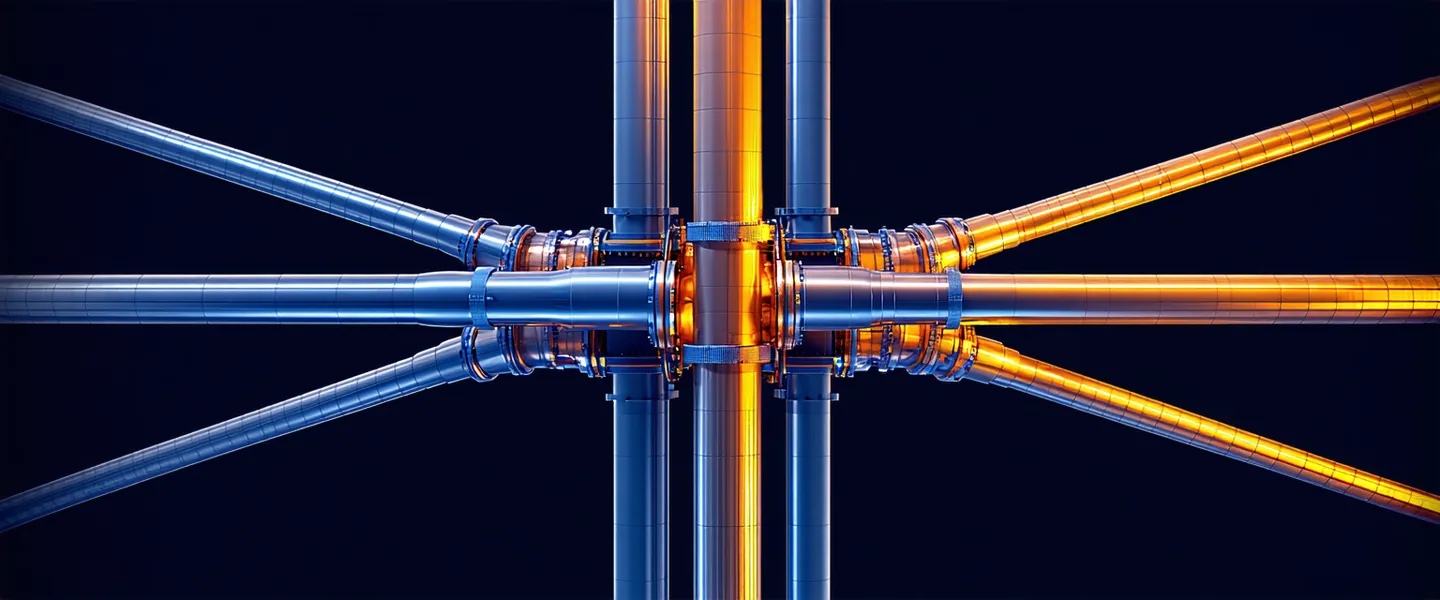
Why MEP clashes dominate coordination meetings
MEP systems occupy the same interstitial space as structural elements — and the coordination conflicts compound as systems are detailed.
HVAC vs. Structure
Duct routing through structural bays is the most common MEP-structural conflict. Beam depths at LOD 350 are often underestimated in schematic-phase duct routing. Bimvyne catches these when the models update.
Plumbing vs. Ceiling Grid
Sprinkler head clearances and drain routing often conflict with suspended ceiling grid elements. These emerge late in DD/CD when ceiling heights are finalized and are time-intensive to resolve.
Electrical vs. MEP
Conduit runs and electrical panels require coordination with mechanical piping and duct runs in equipment rooms. Tight mechanical rooms see the highest density of multi-discipline clashes.
MEP clash types Bimvyne handles
Mechanical vs. Structural
HVAC duct intersections with steel beams, columns, and slab edges. Prioritized by penetration severity and LOD context.
Plumbing vs. Electrical
Drain routing conflicts with conduit trays. Panel clearance violations. Sprinkler main distribution conflicts with lighting fixtures.
HVAC vs. Ceiling Grid
Diffuser placement and duct drops versus suspended ceiling elevation. Detected when ceiling grid model is included in federation.
Multi-Discipline Intersections
Three-way clashes where mechanical, electrical, and structural elements intersect in the same zone — the hardest to catch manually.
Analyze your MEP model
Upload your federated model and see every MEP clash prioritized by severity before your next coordination meeting.